In che modo un forno di sinterizzazione ad alto vuoto a 600 gradi Celsius influisce sulla microstruttura dei compositi Al-TiC? Analisi esperta
Aggiornato 3 mesi fa
La sinterizzazione dei compositi Al-TiC a 600 gradi Celsius in alto vuoto favorisce la diffusione atomica allo stato solido tra le particelle di alluminio, trasformando i compatti verdi porosi in strutture dense e legate metallurgicamente. Questa temperatura specifica e abbastanza alta da favorire la densificazione ma rimane al di sotto della soglia critica di 640 gradi Celsius, prevenendo efficacemente la formazione delle fragili fasi Al4C3 che altrimenti degraderebbero l'integrita meccanica del composito.
Un ambiente ad alto vuoto a 600 gradi Celsius ottimizza la microstruttura Al-TiC bilanciando una rapida diffusione atomica con un rigoroso controllo di fase. Questo processo garantisce un'elevata densita del materiale e stabilita chimica sopprimendo l'ossidazione ed evitando la creazione di composti intermetallici fragili.
The Mechanics of Solid-State Densification
Driving Atomic Diffusion
At 600 gradi Celsius, the thermal energy provided by the furnace is sufficient to trigger significant diffusione atomica across the boundaries of cold-pressed aluminum particles. This movement of atoms allows the particles to fuse, closing internal gaps and forming a continuous legame metallurgico throughout the matrix.
Elimination of Microscopic Pores
The sintering process is designed to increase the material's density from its initial "green" state to a solid mass. By maintaining a stable soaking time at this temperature, the furnace facilitates the eliminazione dei pori, which is essential for achieving the high-strength requirements of industrial applications.
Maintaining Phase Stability and Purity
Avoiding Brittle Phase Formation
A critical microstructural goal in Al-TiC composites is preventing the reaction between the aluminum matrix and the Titanium Carbide (TiC) reinforcement. By keeping the temperature at 600 gradi Celsius—comfortably below the soglia di 640 gradi Celsius—the furnace prevents the formation of Al4C3, a brittle phase that can cause premature material failure.
Prevention of Oxidation and Nitridation
Aluminum and titanium are highly reactive and susceptible to assorbimento di ossigeno e azoto at elevated temperatures. The high vacuum environment (often reaching pressures as low as 1–3 x 10^-2 Pa) eliminates these atmospheric gases, ensuring the resulting composite remains pure and free from unintended ceramic inclusions.
Uniform Reinforcement Distribution
Precise temperature control prevents the agglomerazione of TiC particles that often occurs at higher temperatures. By staying at 600 gradi Celsius, the matrix remains solid enough to support the TiC reinforcement, ensuring a distribuzione uniforme that maintains the continuity of the aluminum matrix and enhances overall performance.
Understanding the Trade-offs
The Risk of Under-Sintering
Setting the furnace temperature significantly below 600 gradi Celsius can lead to cinetiche di diffusione insufficienti. If the temperature is too low, the energy will be inadequate to close microscopic pores, resulting in a low-density material with poor mechanical properties.
The Danger of Over-Heating
If the temperature exceeds the aluminum melting point or the 640 gradi Celsius chemical reaction limit, the microstructure suffers crescita anomala del grano. This leads to a reduction in grain boundaries and the formation of brittle intermetallics, which drastically reduces the composite's toughness and ductility.
Cooling Rate Impacts
While the heating phase is vital, the cooling method—such as raffreddamento in forno—also dictates the final grain structure. A slow, controlled cooling rate promotes a more microstruttura omogenea, whereas rapid cooling can trap internal stresses or lead to non-uniform phase distributions.
How to Apply This to Your Project
Optimizing Your Sintering Protocol
To achieve the best microstructural results for Al-TiC composites, your sintering strategy should be tailored to your specific mechanical requirements.
- If your primary focus is Maximum Ductility: Maintain the temperature strictly at or slightly below 600 gradi Celsius to ensure zero Al4C3 formation and utilize a slow furnace cooling rate to refine grain structure.
- If your primary focus is High Density and Strength: Ensure a high vacuum (10^-2 Pa range) and extend the soaking time at 600 gradi Celsius to maximize atomic diffusion and pore elimination without risking over-heating.
- If your primary focus is Processing Speed: Utilize high-frequency induction heating to reach the target 600 gradi Celsius rapidly, but implement precise thermal monitoring to prevent local hotspots from exceeding the 640 gradi Celsius limit.
Successful Al-TiC sintering relies on the precise intersection of vacuum purity and thermal control to lock in a stable, high-performance microstructure.
Summary Table:
| Parameter | Sintering Condition | Impact on Microstructure |
|---|---|---|
| Temperature | 600 gradi Celsius | Drives atomic diffusion & densification without brittle phase formation. |
| Vacuum Level | 1–3 x 10⁻² Pa | Eliminates oxidation and nitridation; ensures high chemical purity. |
| Phase Control | Below 640 gradi Celsius | Prevents Al4C3 intermetallic compounds, preserving material toughness. |
| Particle State | Solid-state | Ensures uniform TiC distribution and prevents matrix grain growth. |
Precision Thermal Solutions for Advanced Material R&D
Achieving the perfect microstructure in Al-TiC composites requires uncompromising vacuum integrity and thermal precision. THERMUNITS is a leading manufacturer specializing in high-performance laboratory equipment for material science and industrial R&D.
Whether you are refining sintering protocols or developing new CVD processes, our comprehensive range of thermal solutions—including forni ad alto vuoto, forni ad atmosfera e a tubo, sistemi CVD/PECVD e forni di fusione a induzione sotto vuoto (VIM)—is engineered to provide the stability and control your research demands.
Ready to elevate your material performance? Contatta oggi stesso il nostro team di ingegneria to discuss how our custom heat treatment equipment can optimize your laboratory’s efficiency and results.
Riferimenti
- Mohamed I. A. Habba, Fadel S. Hamid. Microstructure and tribological behavior of Al–TiC composite strips fabricated by a multi-step densification method. DOI: 10.1038/s41598-024-70560-x
Prodotti citati
- Forno a crogiolo verticale da 600°C con reattore in lega SS316 e flangia sottovuoto a 6 porte
- Forno a Caldo a Induzione Sotto Vuoto 600T ad Alta Pressione per Trattamenti Termici e Sinterizzazione di Materiali Avanzati
- Forno a vuoto a parete fredda ad alta temperatura per sinterizzazione e ricottura di materiali avanzati, 1600°C, area di riscaldamento 200x200x300mm
- Forno a tubo compatto ad alta temperatura 1600°C con tubo in allumina da 50 mm e flange per vuoto per la sinterizzazione dei materiali
- Forno a vuoto ad alta temperatura 1000°C con camera da 8 pollici ID per sinterizzazione di materiali e ricottura di ricerca
Domande frequenti
- Come dovrebbe essere fatta la scelta tra un crogiolo di quarzo e un crogiolo di allumina per La2O2S? Ottimizza la purezza del materiale
- Perché usare crogioli in ceramica per il trattamento termico di nanoibridi del carbone? Garantire purezza e stabilità termica.
- Quale ruolo svolge un forno tubolare sotto vuoto nel trattamento delle membrane in palladio? Raggiungere la stabilità a 600°C e prevenire le fasi fragili
- Perché è necessario un forno ad alta temperatura con controllo preciso della temperatura per la sintesi della lega Ag8SiS6? Garantire la sicurezza.
- Qual è il ruolo di un forno tubolare orizzontale di grado industriale nella corrosione da sali di fluorurazione? Guida alla ricerca per esperti

Squadra tecnologica · ThermUnits
Last updated on Jun 03, 2026
Prodotti correlati
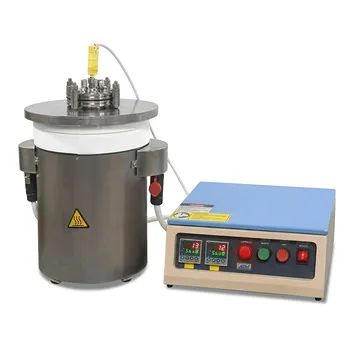
Forno a crogiolo verticale da 600°C con reattore in lega SS316 e flangia sottovuoto a 6 porte
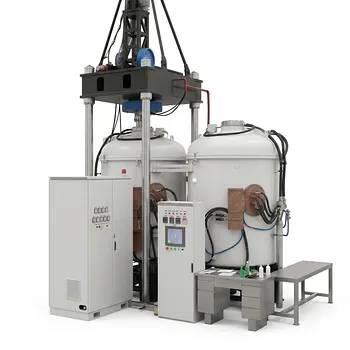
Forno a Caldo a Induzione Sotto Vuoto 600T ad Alta Pressione per Trattamenti Termici e Sinterizzazione di Materiali Avanzati
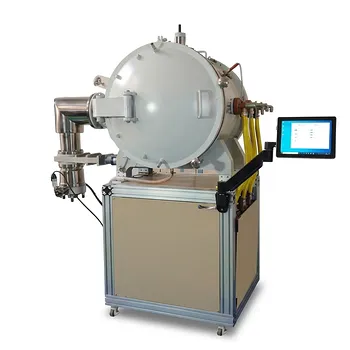
Forno a vuoto a parete fredda ad alta temperatura per sinterizzazione e ricottura di materiali avanzati, 1600°C, area di riscaldamento 200x200x300mm

Forno a tubo compatto ad alta temperatura 1600°C con tubo in allumina da 50 mm e flange per vuoto per la sinterizzazione dei materiali
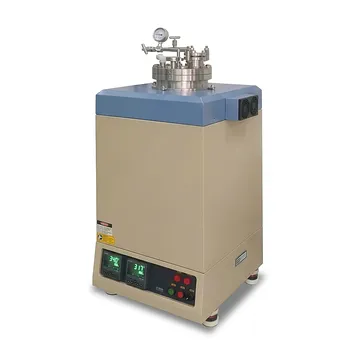
Forno a vuoto ad alta temperatura 1000°C con camera da 8 pollici ID per sinterizzazione di materiali e ricottura di ricerca
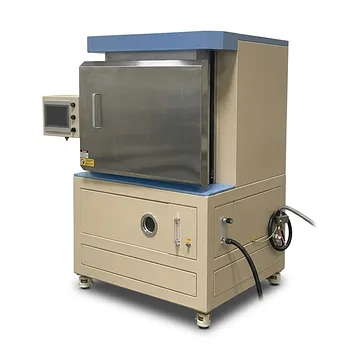
Forno a camera controllata in atmosfera ad alta temperatura 1650C con camera da 65L per sinterizzazione di materiali avanzati e trattamento termico industriale
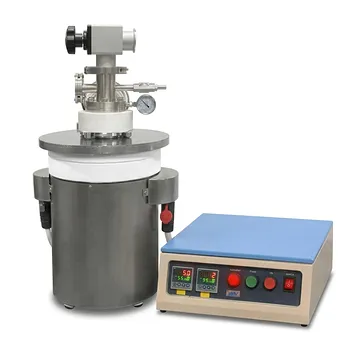
Forno a crogiolo sottovuoto ad alta temperatura 1100°C con camera in quarzo per trattamenti termici e sinterizzazione

Forno a Tubo Verticale ad Alta Temperatura 1700°C per Sferificazione di Polveri e Sinterizzazione di Materiali
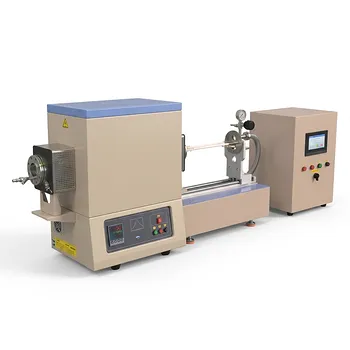
Forno Orizzontale per Sinterizzazione Elettricamente Assistita ad Alta Temperatura con Alimentazione Programmabile da 3KW per Materiali Ceramici Avanzati
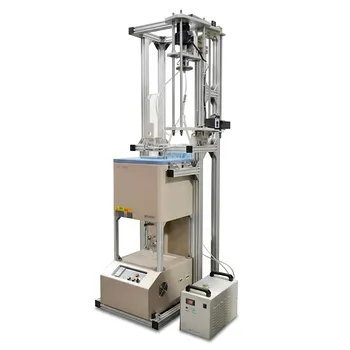
Forno tubolare verticale a vuoto 500C, campione con sistema di rotazione e sollevamento, tubo OD 84 mm
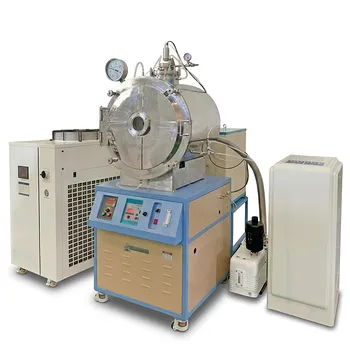
Forno a vuoto riscaldato a induzione per temperature ultra elevate con capacità di elettrolisi in sali fusi e controllo di precisione a 3000 gradi
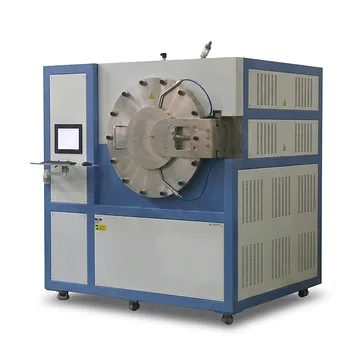
Forno a camera a pressione e alto vuoto da 800°C e 3,5 bar per sistemi di sinterizzazione di materiali superconduttori
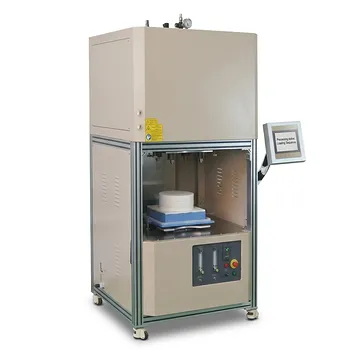
Forno verticale ad alta temperatura con atmosfera controllata, caricamento dal basso automatico e capacità di 1700°C per la ricerca avanzata sui materiali
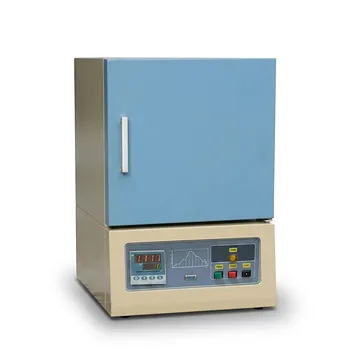
Forno a muffola da banco ad altissima temperatura 1750°C per sistemi di sinterizzazione con elementi riscaldanti Kanthal Super e controllo digitale di precisione
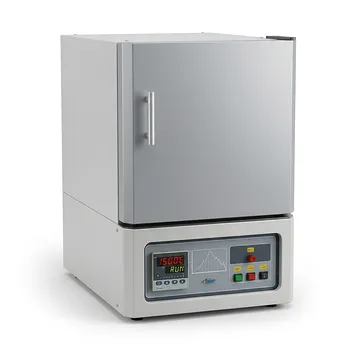
Forno a muffola da banco ad alta temperatura 1500°C, camera in fibra di allumina da 3,6 L, controller programmabile per sinterizzazione, ricottura, carbonizzazione e sistema di trattamento termico
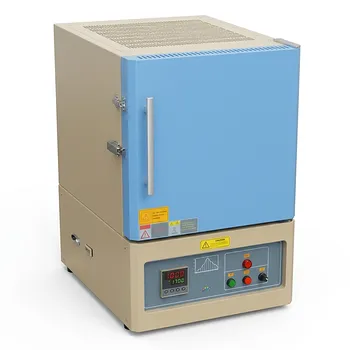
Grande forno a muffola da banco ad alta temperatura 1700°C con camera da 19L per sinterizzazione e ricottura di materiali avanzati
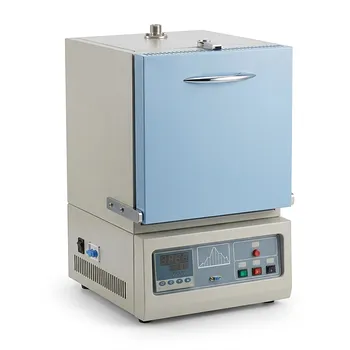
Forno a muffola compatto da 1750°C, sistema di sinterizzazione da laboratorio ad altissima temperatura da 1,7L per la ricerca avanzata su ceramica e scienza dei materiali
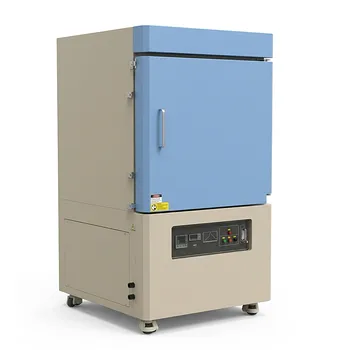
Forno industriale a grande volume 1700C 216L sistema di sinterizzazione ad alta temperatura
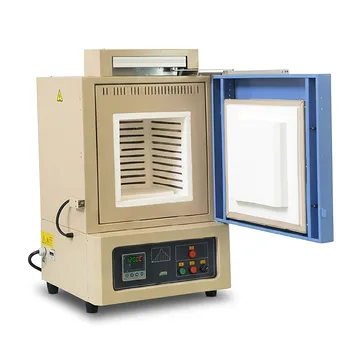
Forno a muffola ad alta temperatura 1200C con porta motorizzata e controllo PC automatizzato per sinterizzazione industriale e lavorazione dei materiali 27 litri